

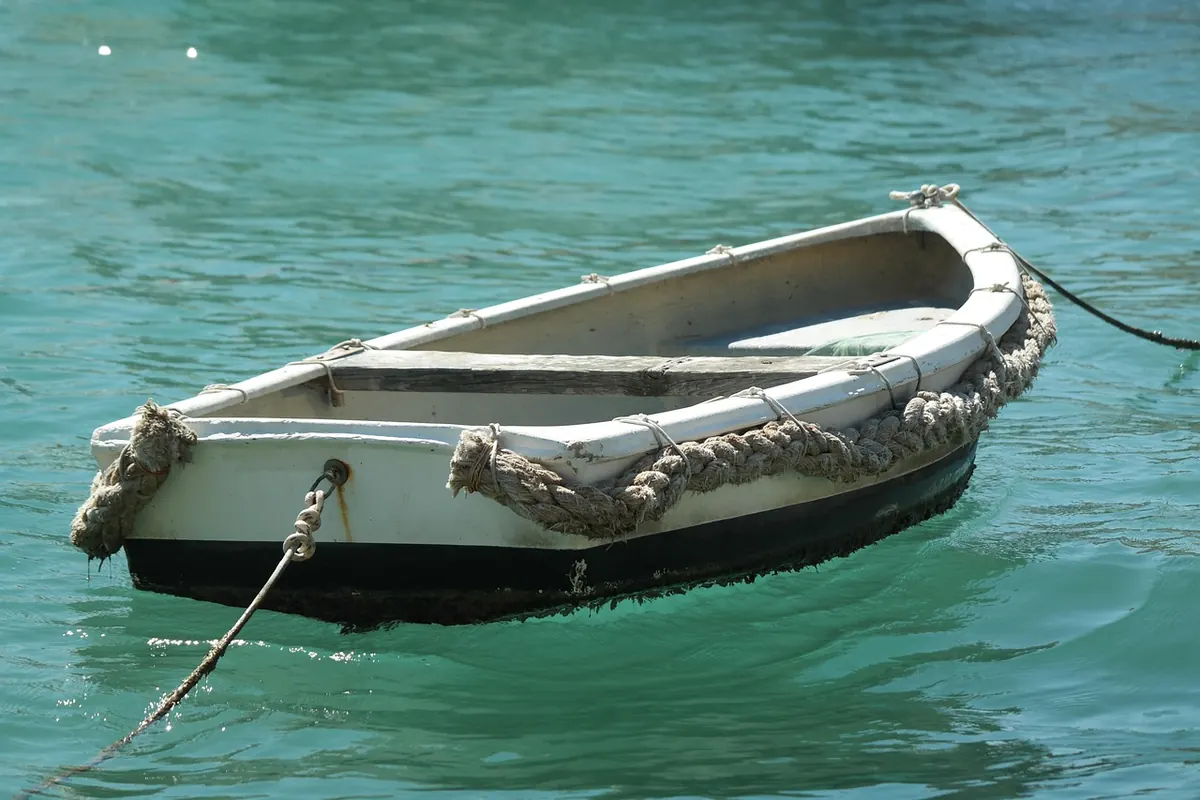
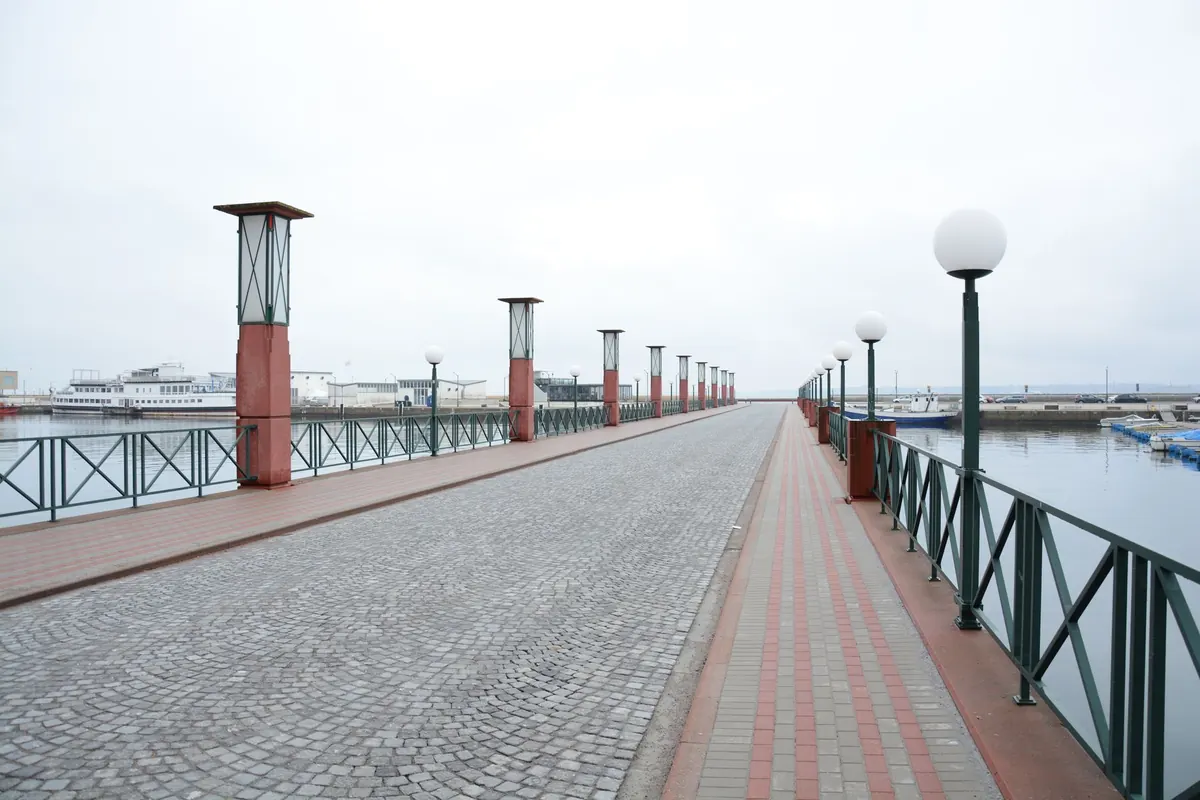
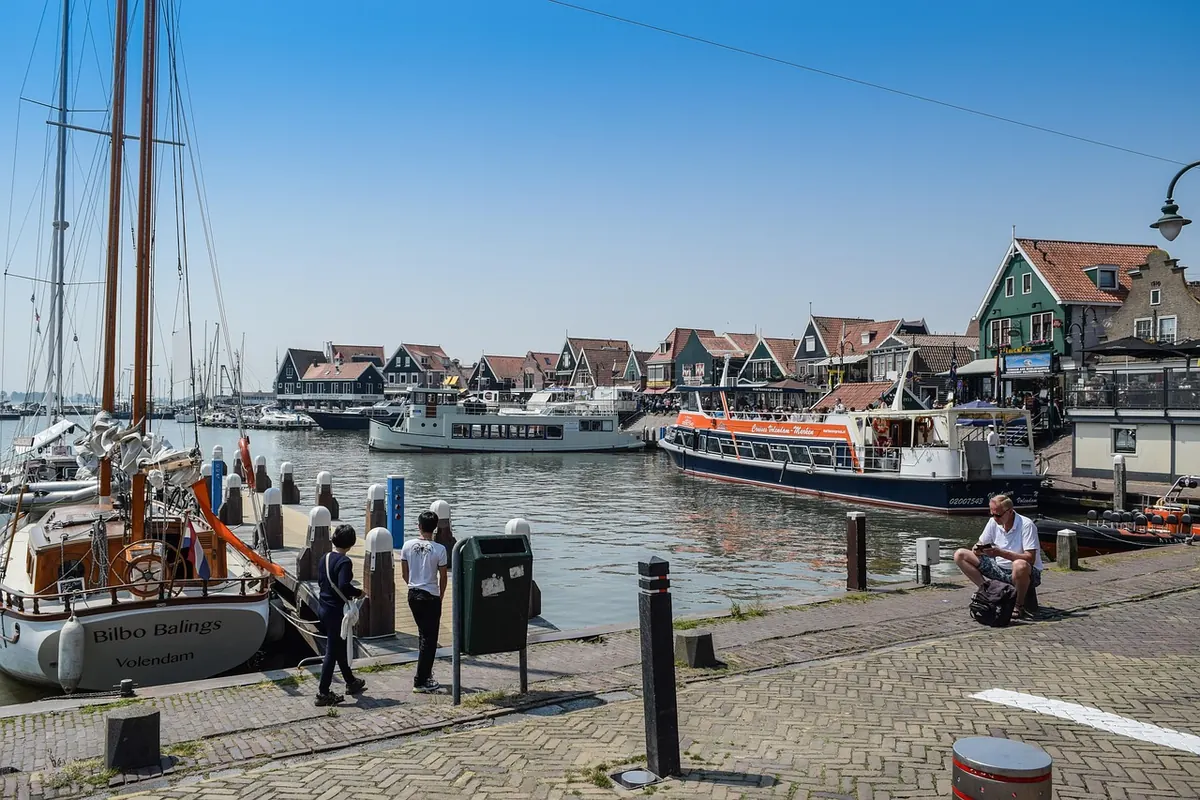

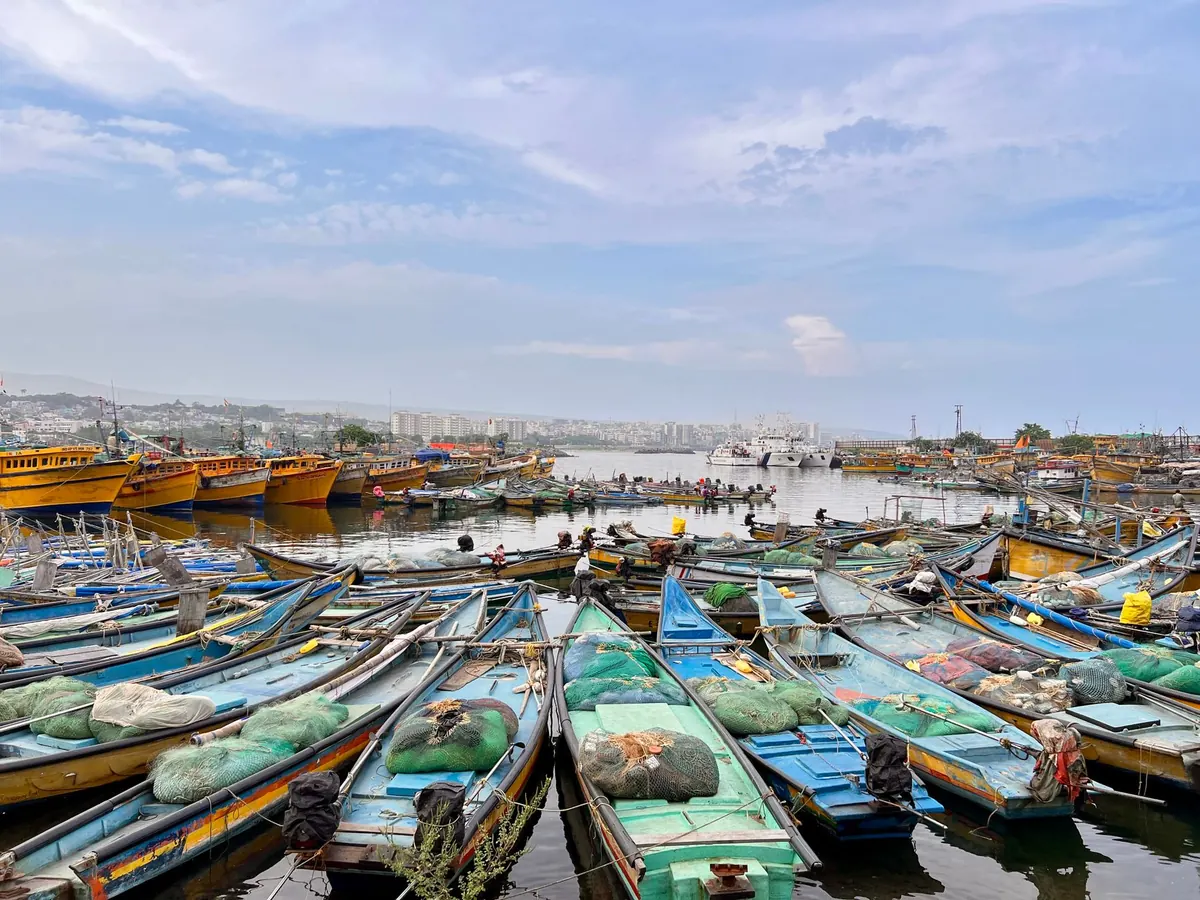
A fishing port is not scenery. It is a workshop with water in it, and like any workshop it runs on a schedule that has nothing to do with the calendar on your wall. The boats go out when the weather allows and the fish are worth catching; everything else — the painting, the mending, the selling, the arguing — fits around that. Follow the harbour through a year and you start to notice that the port is not one place with four moods but four different workplaces sharing the same stone quay. The light changes, the noise changes, and so does the reason anyone is standing there at six in the morning.
Spring: Paint, Resin and the First Shaky Trips
March usually arrives with the yard full. Boats that spent the winter under tarpaulins are hauled up on the slipway, hulls scraped back to bare wood or grey fibreglass, and the whole quay smells of antifouling paint, resin and hot metal. Somebody is always grinding something. Somebody is always hammering. The queue for the travel lift is a small social system of its own, and skippers who have known each other for thirty years still negotiate over it carefully.
Out on the water the season restarts in stages. The first calm weeks bring short trips — a few hours, close to shore, testing an engine that sat idle since November and gear that has been folded in a shed. Weather is the thing nobody trusts yet. A morning that looks like glass can turn into a short, sharp chop by noon, and the forecast is checked three times before the lines are let go instead of once.
For a visitor, spring is the most honest season. There is less to see at sea and more to see on land: the working parts of the port laid out in the open. Ask politely before you photograph a man with a heat gun, and keep off the slipway — a hauled boat is propped on blocks that do not forgive a careless foot.
Summer: Ice, Early Starts and the Long Evening
By June the port has already done half its day before the cafés open. Ice is the first thing you notice: crates stacked in the shade, the compressor running, the slush on the concrete where the boxes have been. Landings come in early, the auction floor clears fast, and by nine the quay has been swept and hosed and handed over to everyone else.
Then the crowds arrive. This is the season of parked cars in front of the fish market, of dinghies hauled onto the ramp by holidaymakers, of children fishing for nothing much off the breakwater and being told — usually kindly, sometimes not — to move along. Restaurants along the harbour take on the pace of the boats: an early rush, a long slow afternoon, a second service that runs late. The port's working life continues in the hours the town is asleep or eating.
In many Mediterranean ports the trawl fleet also takes a summer break during the hottest weeks, though the dates and rules differ from place to place and fishery to fishery. When that happens the harbour feels oddly still in the middle of the busiest month: the trawlers sit two abreast, the small boats keep going out, and the shipyard catches up on jobs it deferred in spring.
Best hours to be on the quay in summer
Before seven, and after seven. The middle of the day belongs to heat, shade and people who are not working. If you want to see the port doing its job, set an alarm; if you want to see it enjoying itself, come back in the evening when the decks are washed and the folding chairs come out.
Autumn: Winds, Full Decks and the Turn of the Year
September and October are often the busiest water of the year. The heat eases, the days shorten quickly, and the boats go out with a purpose again. Decks come back heavy at dusk rather than at dawn, and the quay at five in the afternoon is a different place from the quay at five in the morning — crates moving, buyers leaning into the back of vans, gulls doing their fluent, shameless work.
The first real gale is the marker. It arrives from the south-west or the north-east depending on where you are, and it clears the harbour of anything that can be moved. After that, nothing is quite the same: lines are doubled, gear is brought indoors, and the mending that was put off all summer becomes a job for the afternoons. Nets go up on frames in sheds and on covered terraces, and someone sits with a needle for hours, doing work that looks meditative and is actually hard on the hands.
Fog is the other autumn guest. It softens the harbour into a series of sounds — a compressor, a radio, a chain — and makes the port feel much larger than it is. Boats still go out; they just go out slower, and they come back sooner.
Winter: Storm Days and the Quiet Trade
Winter is when the port is most itself and least interested in you. Boats come out of the water for their annual work, propped and covered, and the yard fills with the smells of sanding and engine oil. On the calm days a handful of boats still slip out for a few hours and are back before lunch. On the rough days the harbour wall does the job it was built for, and the only movement is the water hitting the outside of it.
This is the season of the fishermen's bar, of coffee at odd hours, of paperwork and fuel bills and the endless small repairs that never get done in summer. Some quays look almost abandoned in January; others, especially those with a market and a repair yard, hum quietly all winter. Either way the rhythm slows, and the people who work there get a rare thing: a few weeks where the phone does not ring at four in the morning.
Reading the Port Without Asking Anyone
You can work out most of what is happening from the quay itself. Look for these:
- Paint pots and ladders. The yard is full, the season is turning.
- Empty crates stacked high and dry. The boats have not landed yet; the market is waiting.
- Ice on the ground in the morning. Landings are coming in now, and they are coming in early.
- Nets on frames, indoors. Bad weather, or the lull between seasons.
- Deck lights on at dusk. The boats are working long days and coming back late.
- Dinghies and bicycles chained along the wall. The holiday crowd is here; the working port has retreated to the hours they sleep through.
Visiting Well, Season by Season
Go early, whichever month you choose. The port is a working site first and a pretty place second, so wear shoes with grip, stay behind the painted lines, and never step between a boat and the crane that is lifting something over it. Ask before photographing people, and accept a no without commentary.
In spring, watch the yard and stay out of it. In summer, arrive before seven or after seven and buy your fish from the market rather than the souvenir stand. In autumn, take the wind seriously — a quayside walk in a gale is not a stroll — and enjoy the fact that the boats are landing at an hour you can actually keep. In winter, be quiet, buy a coffee, and let the people who have been out since four have their morning. The port will still be there in April, doing exactly what it does now, only louder.
Photo: Almuntadhar Faris / Pexels